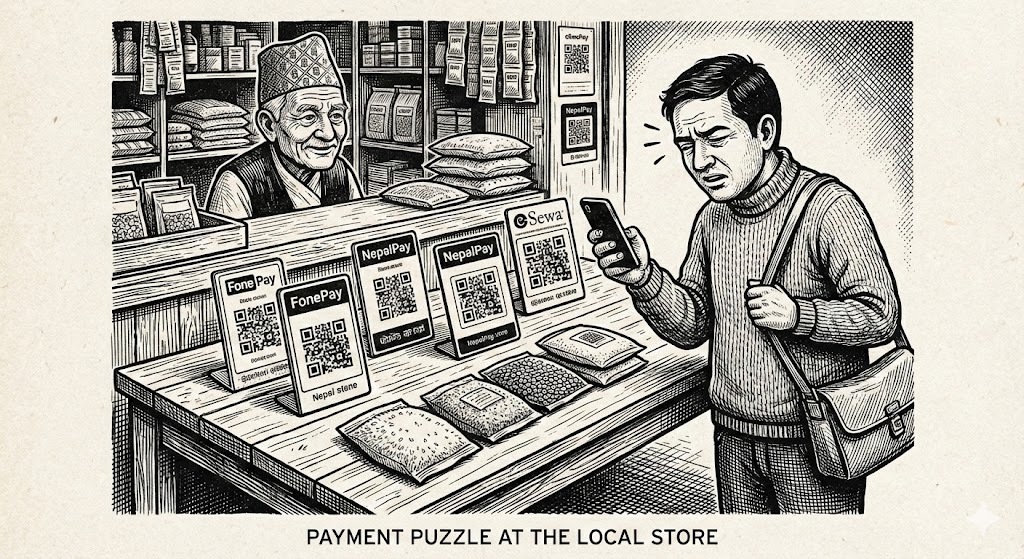

The current digital payment landscape in Nepal is defined by a frustrating paradox: high adoption but low interoperability. While the industry has moved toward a “cashless” economy, the physical reality at the merchant level involves a cluttered array of QR standees. A FonePay QR – a major player remains unreadable to a ConnectIPS user, and NepalPay QR code not readable by FonePay or app using FonePay as primary gateway.
For the merchant, this fragmentation isn’t just an aesthetic issue; it’s an operational bottleneck. Staff are forced to manage multiple payment gateways, leading to confusion at the point of sale and unnecessary delays for the customer.
Over the weekend, I developed a small web app designed to bridge this gap by merging FonePay QR and Nepalpay QR into a single, interoperable “Unified QR.”
The Underlying Framework: NepalQR Standardization
The feasibility of this tool rests on the NepalQR Standardization Framework. Because the central bank has mandated specific data structures for PSOs (Payment System Operators), the underlying payloads for both FonePay and NepalPay share a common architectural DNA.
Most QR codes in our ecosystem are essentially strings of data containing merchant IDs, transaction currency, and account information. Since these follow a predictable format, it is possible to “brute-force” interoperability by consolidating these unique signatures into a single QR payload and let the app decide when scanned.
How the Utility Operates
The tool I built is a straightforward utility that handles the heavy lifting of data merging. Here is the technical breakdown of the workflow:
- Data Extraction: The user uploads their existing NepalPay and FonePay QR images. The utility parses the visual data to extract the specific merchant strings.
- Signature Merging: The tool then concatenates and structures these signatures into a unified format that adheres to the national standard.
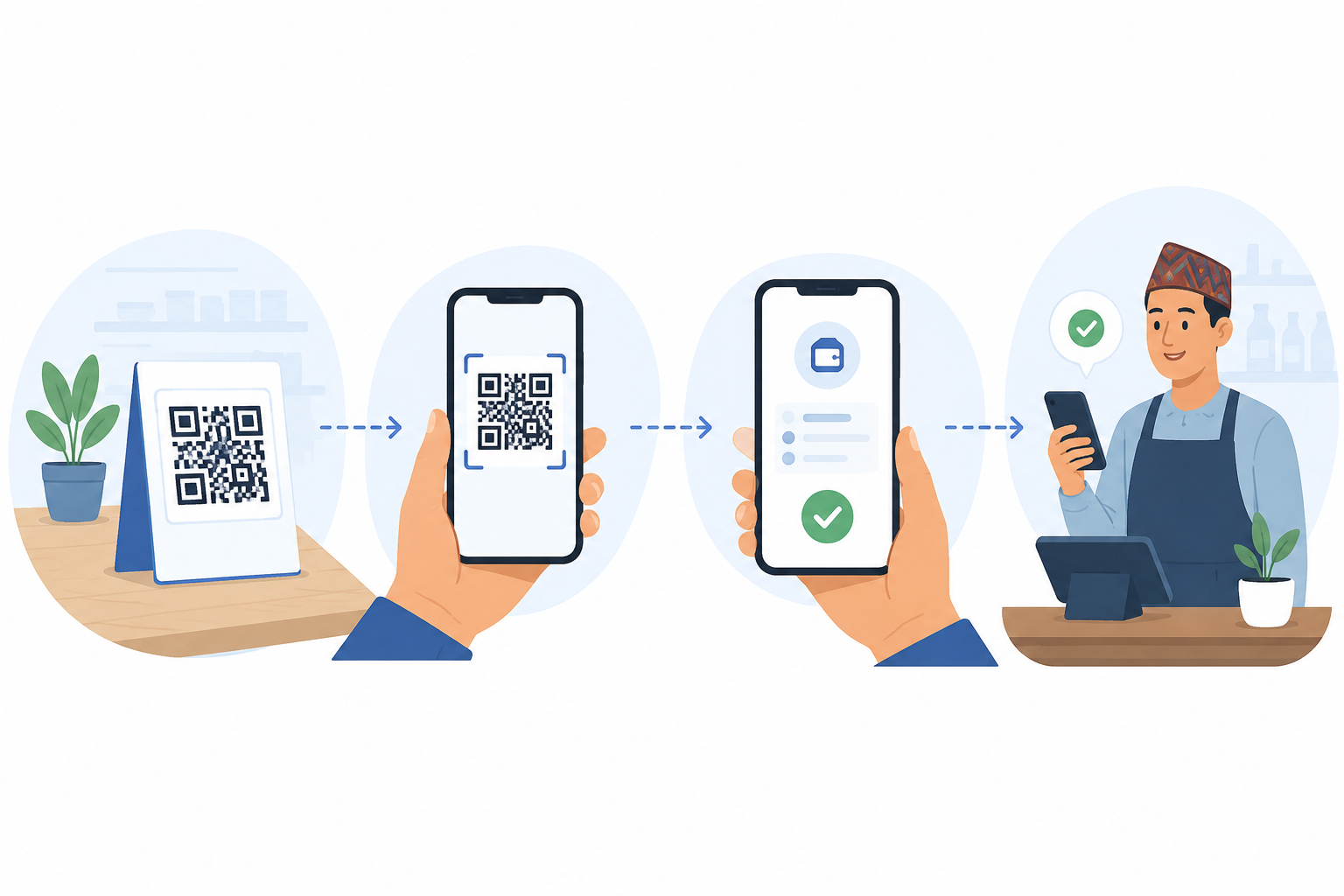
- Gateway Routing: When a customer scans this merged QR, the logic shifts to the consumer’s banking app or wallet (e.g., eSewa, Khalti, ConnectIPS or mobile banking). The app identifies the relevant gateway within the payload and routes the transaction accordingly.
Operational Efficiency for Merchants and POS Systems
The immediate benefit is the reduction of “checkout friction.” Instead of a counter covered in multiple acrylic stands, a merchant requires only one.
Beyond the physical standee, the most significant impact lies in POS and Billing Software integration. Currently, counter staff often have to toggle between different payment modes on their screens based on the customer’s preferred app. A unified QR eliminates this manual step. It allows for a “one-code-fits-all” approach, where the system remains agnostic to the customer’s choice of wallet.
Interested in testing? Head over to the tool: Unified QR Generator – NepalPay & FonePay | tiip.top
Lastly, there is still QR generator that generates payment QR using open standard and directly connects to bank account.
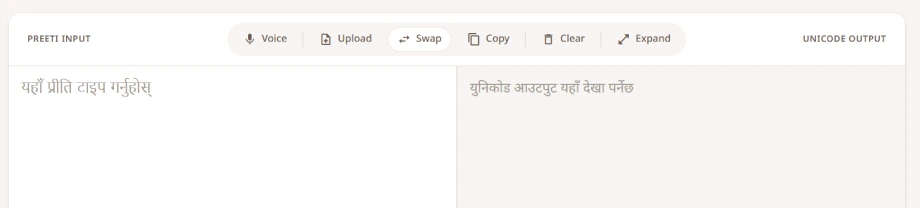
This is one of my experimental works, besides my recent Preeti to Unicode converter.